
Rajasthan is a state in northern India. The state covers an area of 342,239 square kilometres (132,139 sq mi) or 10.4 percent of the total geographical area of India. It is the largest Indian state by area and the seventh largest by population. Rajasthan is located on the northwestern side of India, where it comprises most of the wide and inhospitable Thar Desert (also known as the “Rajasthan Desert” and “Great Indian Desert”) and shares a border with the Pakistani provinces of Punjab to the northwest and Sindh to the west, along the Sutlej–Indus river valley. Elsewhere it is bordered by five other Indian states: Punjab to the north; Haryana and Uttar Pradesh to the northeast; Madhya Pradesh to the southeast; and Gujarat to the southwest.
Major features include the ruins of the Indus Valley Civilisation at Kalibanga and Balathal; the Dilwara Temples, a Jain pilgrimage site at Rajasthan’s only hill station, Mount Abu, in the ancient Aravalli mountain range; and, in eastern Rajasthan, the Keoladeo National Park near Bharatpur, a World Heritage Site known for its bird life. Rajasthan is also home to three national tiger reserves, the Ranthambore National Park in Sawai Madhopur, Sariska Tiger Reserve in Alwar and Mukundra Hill Tiger Reserve in Kota.
The state was formed on 30 March 1949 when Rajputana – the name adopted by the British Raj for its dependencies in the region[11] – was merged into the Dominion of India. Its capital and largest city is Jaipur. Other important cities are Jodhpur, Kota, Bikaner, Ajmer and Udaipur.
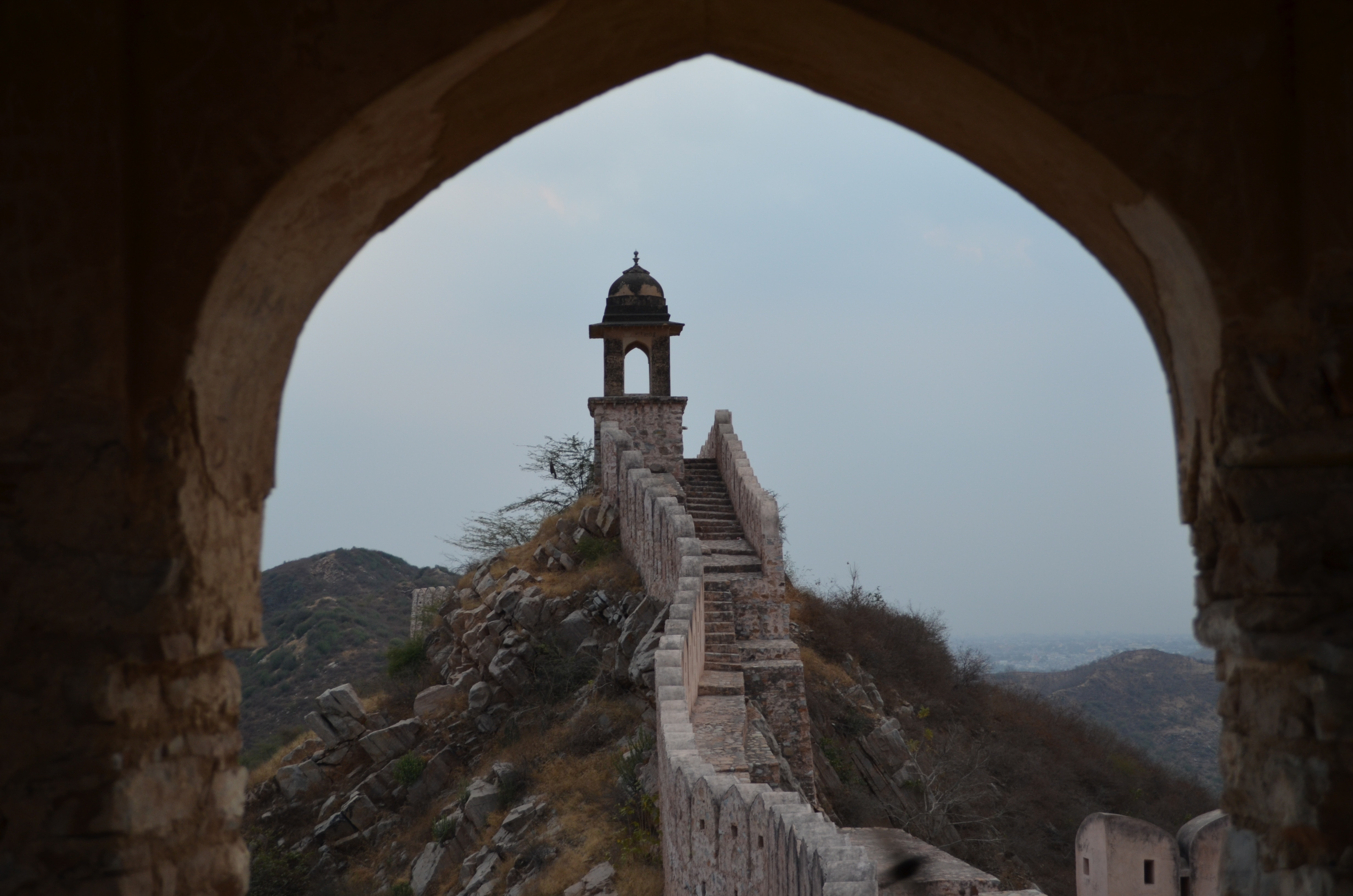
Parts of what is now Rajasthan were partly part of the Vedic Civilisation and Indus Valley Civilization. Kalibangan, in Hanumangarh district, was a major provincial capital of the Indus Valley Civilization. Another archeological excavation at Balathal site in Udaipur district shows a settlement contemporary with the Harrapan civilization dating back to 3000 – 1500 BC.
Stone Age tools dating from 5,000 to 200,000 years were found in Bundi and Bhilwara districts of the state.
Matsya Kingdom of the Vedic civilisation of India, is said to roughly corresponded to the former state of Jaipur in Rajasthan and included the whole of Alwar with portions of Bharatpur. The capital of Matsya was at Viratanagar (modern Bairat), which is said to have been named after its founder king Virata.
Bhargava identifies the two districts of Jhunjhunu and Sikar and parts of Jaipur district along with Haryana districts of Mahendragarh and Rewari as part of Vedic state of Brahmavarta. Bhargava also locates the present day Sahibi River as the Vedic Drishadwati River, which along with Saraswati River formed the borders of the Vedic state of Brahmavarta.Manu and Bhrigu narrated the Manusmriti to a congregation of seers in this area only. Ashrams of Vedic seers Bhrigu and his son Chayvan Rishi, for whom Chyawanprash was formulated, were near Dhosi Hill part of which lies in Dhosi village of Jhunjhunudistrict of Rajasthan and part lies in Mahendragarh district of Haryana.
The Western Kshatrapas (405–35 BC), the Saka rulers of the western part of India, were successors to the Indo-Scythians, and were contemporaneous with the Kushans, who ruled the northern part of the Indian subcontinent. The Indo-Scythians invaded the area of Ujjain and established the Saka era (with their calendar), marking the beginning of the long-lived Saka Western Satraps state.
CULTURE
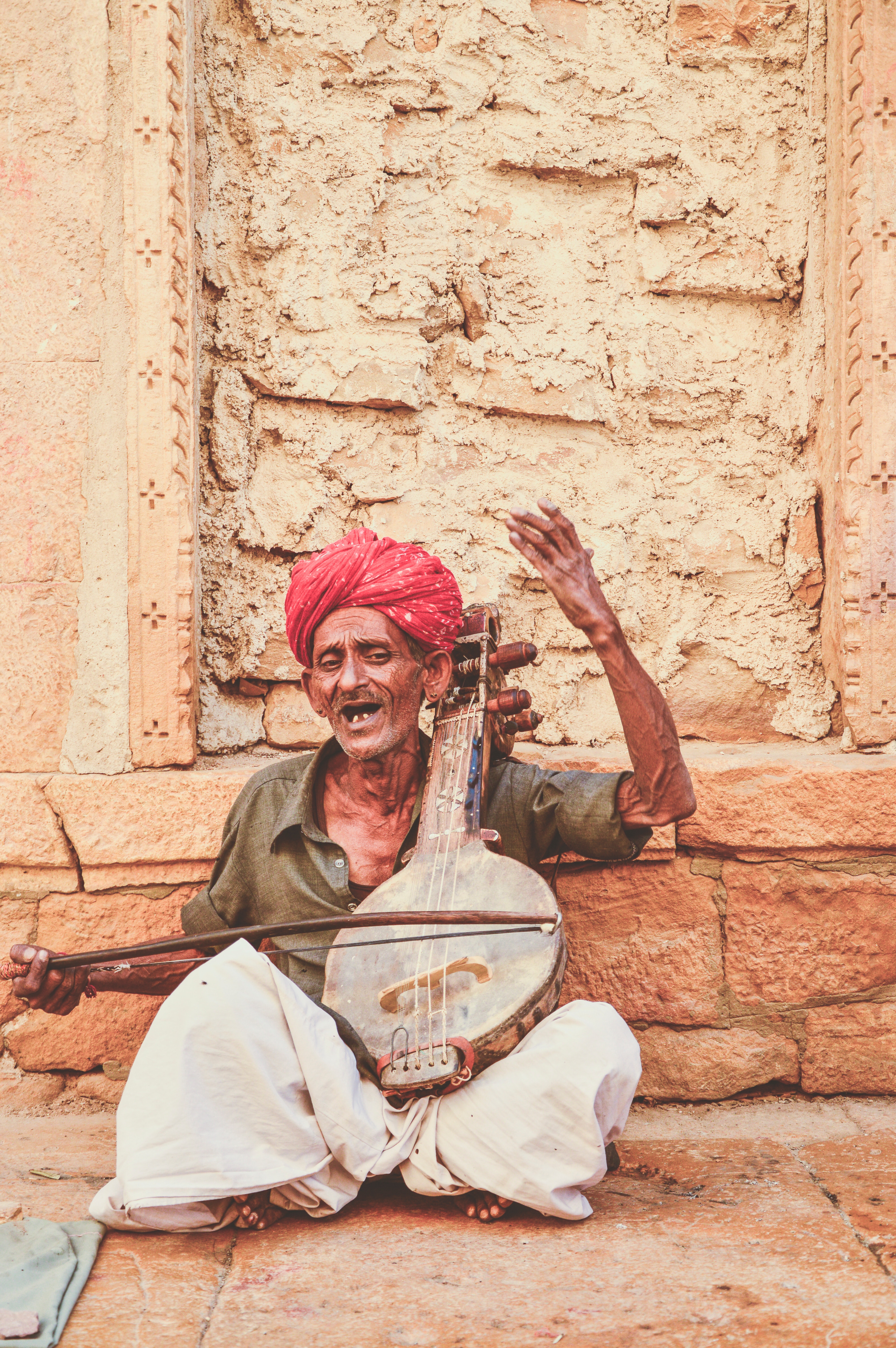
Rajasthan is culturally rich and has artistic and cultural traditions which reflect the ancient Indian way of life. There is rich and varied folk culture from villages which are often depicted as a symbol of the state. Highly cultivated classical music and dance with its own distinct style is part of the cultural tradition of Rajasthan. The music has songs that depict day-to-day relationships and chores, often focused around fetching water from wells or ponds.
Rajasthani cooking was influenced by both the war-like lifestyles of its inhabitants and the availability of ingredients in this arid region. Food that could last for several days and could be eaten without heating was preferred. The scarcity of water and fresh green vegetables have all had their effect on the cooking. It is known for its snacks like Bikaneri Bhujia. Other famous dishes include bajre ki roti (millet bread) and lahsun ki chutney (hot garlic paste), mawa kachori Mirchi Bada, Pyaaj Kachori and ghevar from Jodhpur, Alwar ka Mawa(Milk Cake), Kadhi kachori from Ajmer, malpauas from Pushkar, Daal kachori (Kota kachori) from Kota and rassgollas from Bikaner. Originating from the Marwar region of the state is the concept Marwari Bhojnalaya, or vegetarian restaurants, today found in many parts of India, which offer vegetarian food of the Marwari people.
Dal-Bati-Churma is very popular in Rajasthan. The traditional way to serve it is to first coarsely mash the Baati then pour pure Ghee on top of it. It is served with the daal (lentils) and spicy garlic chutney. Also served with Besan (gram flour) ki kadi. It is commonly served at all festivities, including religious occasions, wedding ceremonies, and birthday parties in Rajasthan. “Dal-Baati-Churma”, is a combination of three different food items — Daal (lentils), Baati and Churma (Sweet). It is a typical Rajasthani dish.
The Ghoomar dance from Jodhpur Marwar and Kalbeliya dance of Jaisalmer have gained international recognition. Folk music is a large part of Rajasthani culture. Kathputli, Bhopa, Chang, Teratali, Ghindr, Kachchhighori, and Tejaji are examples of traditional Rajasthani culture. Folk songs are commonly ballads which relate heroic deeds and love stories; and religious or devotional songs known as bhajans and banis which are often accompanied by musical instruments like dholak, sitar, and sarangi are also sung.
Rajasthan is known for its traditional, colourful art. The block prints, tie and dye prints, Bagaru prints, Sanganer prints, and Zari embroidery are major export products from Rajasthan. Handicraft items like wooden furniture and crafts, carpets, and blue pottery are commonly found here. Shopping reflects the colourful culture, Rajasthani clothes have a lot of mirror work and embroidery. A Rajasthani traditional dress for females comprises an ankle-length skirt and a short top, also known as a lehenga or a chaniya choli. A piece of cloth is used to cover the head, both for protection from heat and maintenance of modesty. Rajasthani dresses are usually designed in bright colours like blue, yellow and orange.
The main religious festivals are Deepawali, Holi, Gangaur, Teej, Gogaji, Shri Devnarayan Jayanti, Makar Sankranti and Janmashtami, as the main religion is Hinduism. Rajasthan’s desert festival is held once a year during winter. Dressed in costumes, the people of the desert dance and sing ballads. There are fairs with snake charmers, puppeteers, acrobats, and folk performers. Camels play a role in this festival.

 Vlog
Vlog 